Section templates
Collection of educational resources about groundwater monitoring and aquifer testing techniques
Groundwater monitoring
Regular measurements of groundwater levels, quality, and other parameters to assess the groundwater condition over time
Advancing groundwater digitalisation
The Groundwater Teaching and Research Observatory is a groundwater test field established in 2008 by the Institute of Groundwater Management at TU Dresden’s external campus in Pirna. The test field offers excellent teaching and research opportunities in applied hydrogeology, covering a wide range of groundwater monitoring and aquifer testing techniques.
Research
Explore digital tools supporting groundwater modelling, data visualisation and analysis, scenario evaluation, and innovative groundwater management research.
Education
Access interactive learning resources, training materials, and practical tools for groundwater teaching, capacity development and student engagement.
Collaboration
Connect with other researchers and groundwater practitioners through shared data modelling platforms and collaborate on groundwater innovation.
Advancing groundwater digitalisation
The Groundwater Teaching and Research Observatory is a groundwater test field established in 2008 by the Institute of Groundwater Management at TU Dresden’s external campus in Pirna. The test field offers excellent teaching and research opportunities in applied hydrogeology, covering a wide range of groundwater monitoring and aquifer testing techniques.
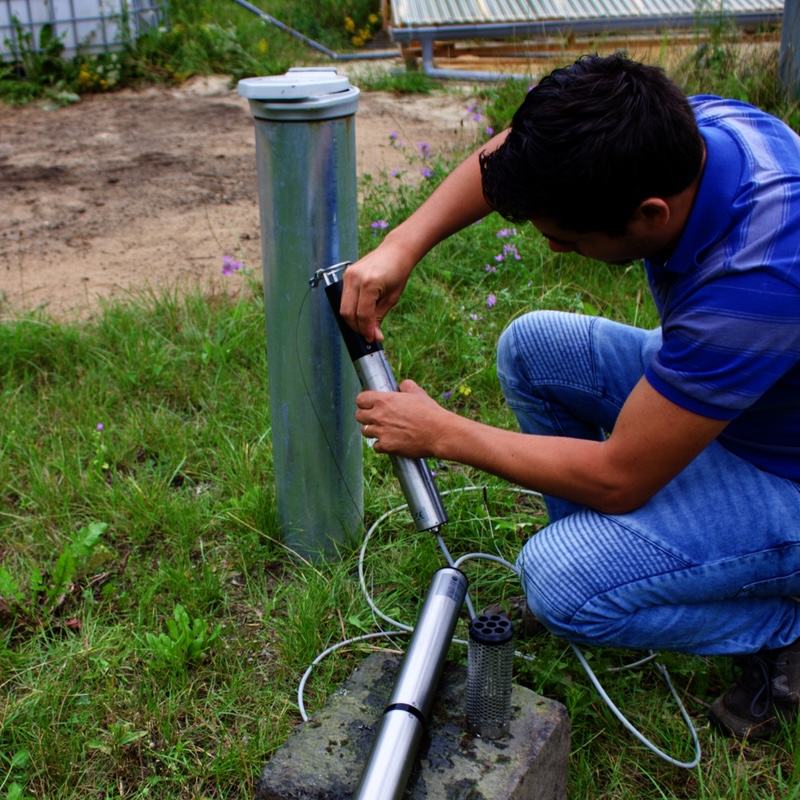
Research
Explore digital tools supporting groundwater modelling, data visualisation and analysis, scenario evaluation, and innovative groundwater management research.

Education
Access interactive learning resources, training materials, and practical tools for groundwater teaching, capacity development and development of hydrogeological courses.
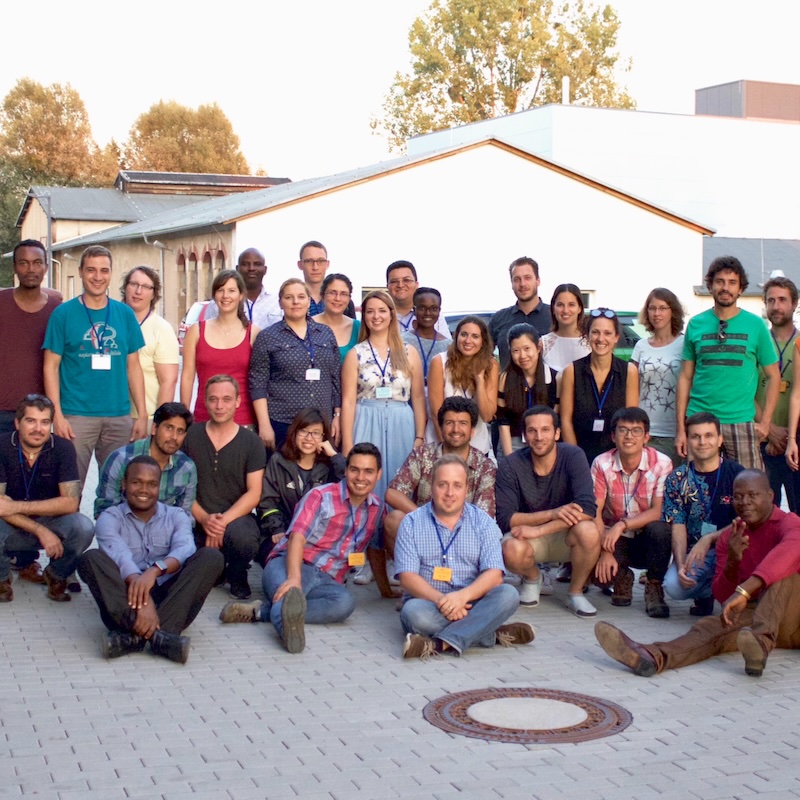
Collaboration
Connect with other researchers and groundwater professionals through shared data modelling platforms and collaborate on groundwater research and innovation.
Research
Explore digital tools supporting groundwater modelling, data visualisation and analysis, scenario evaluation, and innovative groundwater management research.
Education
Access interactive learning resources, training materials, and practical tools for groundwater teaching, capacity development and development of hydrogeological courses.
Collaboration
Connect with other researchers and groundwater professionals through shared data modelling platforms and collaborate on groundwater research and innovation.
Try our digital groundwater tools
Our digital tools and resources supporting groundwater research and learning through digital innovation.
Digital dashboards
Digital dashboards for our Groundwater Research and Teaching Observatory in Pirna, Germany
→Virtual 360° tours
A virtual 360° experience through our Groundwater Research and Teaching Observatory
→Web-based software
Web-based platform for groundwater modelling developed by the Research Group INOWAS
→Jupyter Notebooks
Interactive Jupyter Notebooks and other educational materials developed by the project iNUX
→Groundwater serious games
Five years. Multiple stakeholders. One aquifer in crisis. What would you do?
→Educational resources
Educational resources about groundwater processes and other interesting stuff
→Tips, stories & learning ideas
Digital dashboards
Digital dashboards for our Groundwater Research and Teaching Observatory in Pirna, Germany
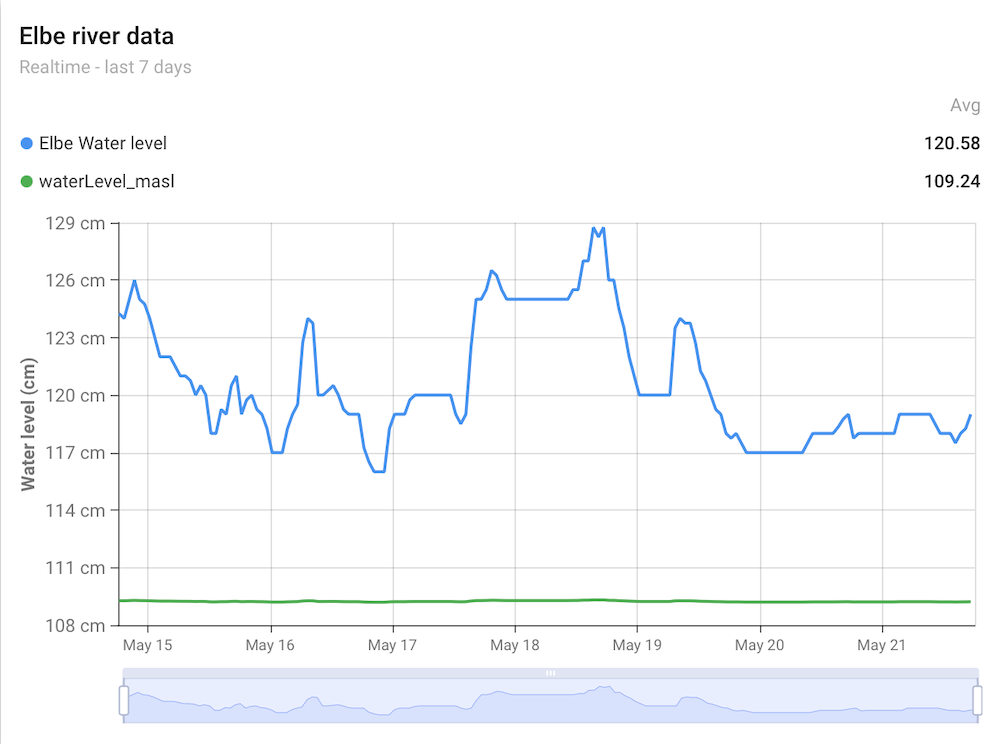
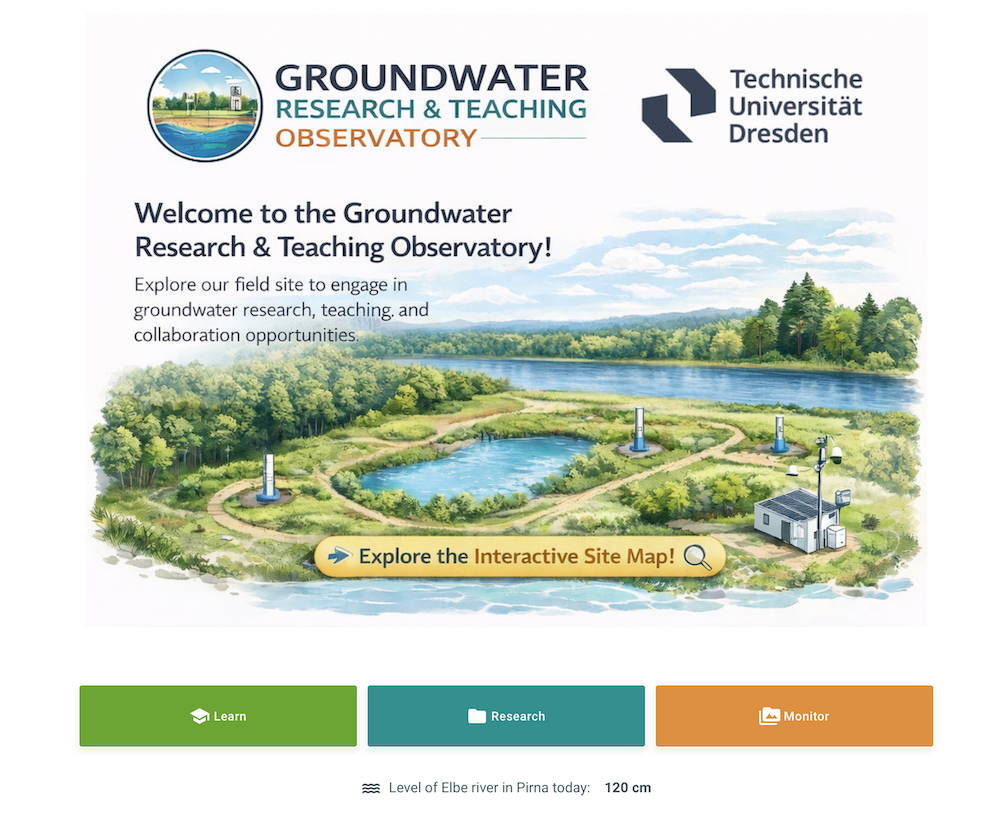
Our platform includes user friendly dashboards for visualisation of historical measurements and real-time datasets collected at our Groundwater Research and Teaching Observatory in Pirna, Germany.
Large groundwater pumping wells with 10″ diameter
Groundwater monitoring wells for shallow aquifer (14 m deep)
Groundwater monitoring wells (deep aquifer (35 m deep)
Climate station for meteorological parameters
Quantitative and qualitative parameters of the river Elbe
Virtual guided tours
A virtual 360° experience through our Groundwater Research and Teaching Observatory
Lorem ipsum dolor sit amet, consectetur adipiscing elit. Sed dui eros, congue in sapien quis, ornare mollis sapien. Pellentesque mollis erat eu metus sodales interdum.
Fusce finibus libero at ante rhoncus
Maecenas tempor nunc non massa pharetra auctor
Donec malesuada elementum nunc et tincidunt
Nulla facilisis metus sed justo mollis porta
Pellentesque libero arcu, gravida et mi quis, interdum luctus enim
Web-based software
Web-based modelling platform for groundwater management developed by the Research Group INOWAS
Web-based decision-support platform that integrates MODFLOW-based numerical groundwater modelling, managed aquifer recharge planning, GIS visualisation, and scenario analysis into an accessible online environment for research, education, and water resources management.
Free web-based groundwater modelling platform
Numerical flow and transport groundwater modelling
Tools for managed aquifer recharge planning
Interactive GIS-based data visualisation
Collaborative environment for research and education

Come and see us — you are always welcome
The best way to understand the Tiny Oaks difference is to experience it. Book a tour and meet our team.
Book a Tour →Student theses
Barquero, F. (2020). Infiltration capacity assessment of managed aquifer recharge spreading basins under variable climates [Dissertation]. Technische Universität Dresden.
Vanzello de Melo, J. A. (2016). Untersuchung des Einflusses verschiedener Infiltrationsszenarien auf den Wasser- und Gashaushalt, den Abbau von organischen Substanzen und die Infiltrationskapazität in der ungesättigten Bodenzone [Master thesis]. Technische Universität Dresden.
Bista, A. (2015). Implementation of heterogeneous high-resolution saturated groundwater flow and mass transport model for the test site Pirna for analysing multiple tracer tests [Master thesis]. Technische Universität Dresden.
Brecht, S. (2015). Abschätzung der Grundwasserneubildung mit Hilfe eines Tracerversuches in Pirna, Deutschland [Master Thesis]. Technische Universität Dresden.
Moreno, M. (2015). Methods for characterization of soil hydraulic properties and sub-surface stratigraphy with application at an infiltration site in Pirna, Germany [Master thesis]. Technische Universität Dresden.
Li, C. (2014). Conception of a high-resolution saturated model for the test site Pirna [Master Thesis]. Technische Universität Dresden.
Everything you need to know
Answers to the questions families ask most often before joining Tiny Oaks.
What hours do you operate?
Core hours are 8:30am–3:30pm Monday to Friday. We offer early drop-off from 7:30am and late pick-up until 6:00pm for an additional fee. Holiday programmes run during school breaks.
How do I apply for a place?
Begin by booking a tour via our Contact page. After your visit, you can submit a Registration Form. Places are offered subject to availability, and we keep a waiting list for popular start dates.
What is your staff-to-child ratio?
We maintain a maximum ratio of 1:8 across all age groups — significantly better than the statutory minimum. Our Seedlings rooms operate at 1:4 for children under 3.
Do you follow the EYFS curriculum?
Yes. All our programmes are fully aligned with the Early Years Foundation Stage framework. We also incorporate elements of Reggio Emilia, Forest School, and Montessori pedagogy.
How do you keep parents informed?
Daily verbal handovers, our secure parent app for daily notes and photos, a weekly newsletter, and termly learning summaries keep you closely connected to your child’s day. Our door is always open for a conversation.
Try our digital dashboards
Learn how our groundwater dashboards support research and learning through digital innovation.
Groundwater levels
Historical and real-time groundwater levels across the monitoring wells.
Try dashboard →Water quality monitoring
Quality parameters in groundwater and nearby surface water (river Elbe).
Try dashboard →Vadose zone monitoring
Soil moisture and related parameters measured in the unsaturated zone.
Coming soon…River – groundwater interaction
Compare groundwater levels against the Elbe’s stage, live and historical data.
Try dashboard →Climate – groundwater
Meteorological and hydrogeological data: rainfall vs. groundwater response.
Try dashboard →Groundwater modeling
Result of modelling work at the test field, including MODFLOW and others.
Try dashboard →Managed aquifer recharge
Infiltration rates, recharge volumes and groundwater response during events.
Coming soon…Pumping and recovery tests
Drawdown and recovery curves with observation-well responses.
Coming soon…Direct push injection logging
Vertical profiles of hydraulic conductivity at the site.
Try dashboard →Sensor and IoT infrastructure
Health of the network: battery status, failure alerts, and performance.
Coming soon…Custom dashboards
Cross-site comparisons, publication-ready reports, tables and analytics.
Coming soon…